

Imagine sending the same print job to five different presses and getting identical color results every time. That’s the power of G7 certification. Developed by the nonprofit Idealliance, it’s recognized worldwide as the benchmark for uniform, predictable print results. In this episode of the Color Rules video series, filmed at the PRINTING United Expo G7 Expert Jim Raffel and industry veteran Bruce dive deep into the critical first step of any successful color management process: press evaluation and stabilization.
At its core, G7 is all about mastering grayscale appearance — a precise calibration method that aligns any CMYK imaging device to the same grayscale definition. In practical terms, that means that whether you print on offset, digital, wide format, or flexo presses, your color output stays visually consistent, no matter the inks, substrates, or printing technology.
Why G7 Certification Is a Game-Changer
Earning G7 Master certification is more than just a badge of honor — it’s a clear statement that a printer is committed to industry standards and consistent quality. For today’s printers, the Master status is a critical tool in staying competitive.
Color consistency is especially critical in brand packaging, where color is often the first—and most powerful—connection customers make with a brand. G7 certification ensures a company’s packaging looks just right every time, creating a strong brand presence that builds trust and loyalty.
Beyond credibility, certification delivers brings tangible operational benefits, including:
- Improved production efficiency
- Less waste & rework
- Cost savings across processes
- Greater customer satisfaction
In short, G7 Master status isn’t just a sales talking point — it’s the foundation for delivering reliable, repeatable color with better workflows.
Stabilize First, Then Certify

The path to G7 Master status is straightforward but rigorous. It begins with a thorough evaluation of your existing processes — starting with press stability.
Jim Raffel, CEO of ColorCasters and seasoned G7 Expert, sums it up:
“Before we do any G7 calibrations, you have to stabilize the system.”
In other words, no matter how sophisticated your color tools are, stable presses are the backbone of G7 success.
Mastering the Press Variables
Phase 1 of the Color Rules program zeroes in on how to create a truly repeatable press — one that consistently hits the same marks run after run. This involves closely monitoring and maintaining key factors such as blankets, pressure rollers, ink keys, and ink fountains.
On top of that, each of these areas contains a web of sub-variables. As Raffel points out: “There’s probably a thousand variables on an offset press.”
In the past, managing these countless details was a painstaking, manual task: visual inspections, pulling sheets for measurements with x-ray densitometers, and compiling data by hand. It was time-consuming and often slowed production startups.
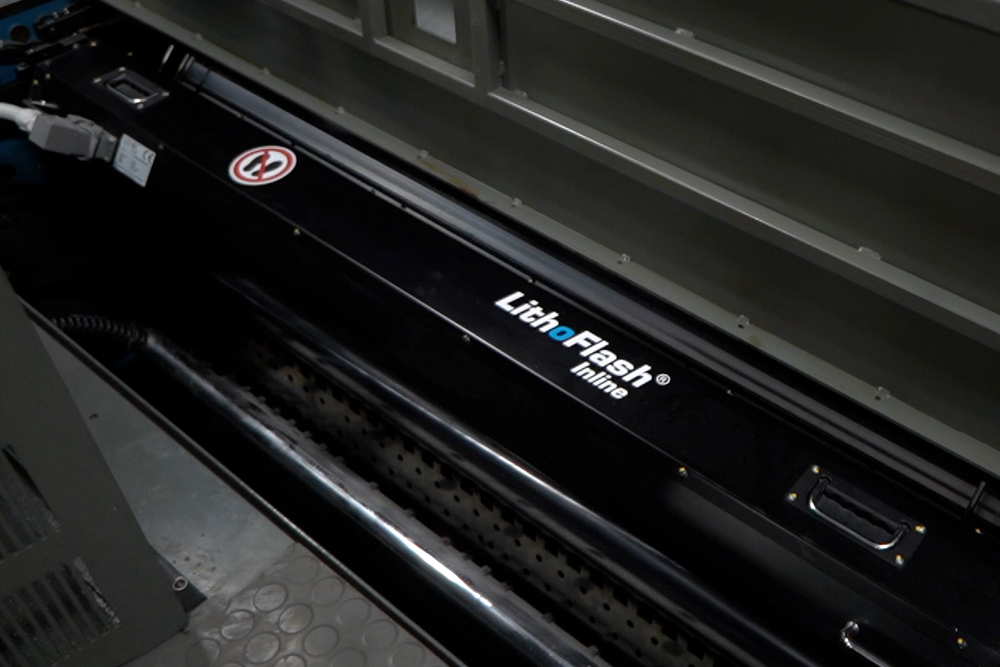
Today, the game has changed. Cutting-edge solutions like LithoFlash Inline automate the collection and measurement of critical data — making press stabilization and calibration faster, easier, and far more precise than ever before.
This technology shift means printers spend less time chasing data and more time delivering exceptional, consistent results.
The Bottom Line
G7 Master Status and press stability are two sides of the same coin. When presses run in a stable state, G7 calibration unlocks its full power — delivering color consistency that protects brand integrity, builds customer trust, and drives profitability in any printing or packaging operation.
Recent Comments